

Highway Driving Lesson
Introduction to Highway Driving Lessons
Highway driving lessons are designed to help learners develop the skills and confidence needed to drive safely on high-speed roads such as motorways, expressways, and national highways. Driving on a highway is very different from driving in city streets because it involves higher speeds, faster decision-making, and more advanced awareness of traffic movement. A highway driving lesson course provides structured training that prepares drivers to handle these challenges responsibly.
Many learners feel nervous about highway driving due to the speed and the number of vehicles moving close together. This course helps reduce that fear by teaching correct techniques for merging, lane changing, overtaking, and maintaining a safe distance. Highway lessons also focus on understanding road signs, exits, and the driving discipline required for long-distance travel.
Highway driving is an important skill for anyone who travels between cities, commutes long distances, or wants to become a confident driver in all environments. With proper training, learners can enjoy highway driving safely and comfortably.
Who Should Take a Highway Driving Lesson Course
A highway driving lesson course is suitable for new drivers who have recently gained confidence in basic driving and want to improve their skills for high-speed roads. It is also helpful for drivers who already have a license but avoid highways due to fear or lack of experience.
Many drivers learn city driving first, but feel unprepared for highway conditions. This course provides the step-by-step guidance needed to transition from slow-speed roads to fast-moving highways. It is also recommended for drivers who plan to travel frequently, whether for work, family trips, or long-distance journeys.
Drivers who have recently moved to a new country may also benefit from highway driving lessons because highway rules and lane discipline can differ across regions. This course helps them adapt to local highway driving systems.
Understanding Highway Road Rules and Regulations
Highway driving lessons begin with teaching learners the rules and regulations specific to highways. These rules often differ from city roads because highways are designed for fast and continuous movement. Learners are trained on speed limits, lane usage rules, and safe overtaking regulations.
The course explains the importance of staying in the correct lane. In most highway systems, the left lane is used for overtaking, while the right lane is used for normal driving. Learners are also taught how to identify restricted lanes, such as lanes reserved for buses or heavy vehicles.
Highway driving lessons also cover road signs related to exits, service areas, toll booths, and emergency stops. Understanding these signs is essential for safe navigation and avoiding sudden lane changes.
Building Confidence at High Speeds
One of the main goals of highway driving lessons is to help learners feel comfortable driving at higher speeds. Many beginners struggle with maintaining control when driving above normal city speed. The course teaches learners how to keepa steady speed, maintain safe steering control, and avoid sudden braking.
Learners practice smooth acceleration and consistent speed control. They are taught to focus further ahead on the road, since vehicles approach faster at high speeds. This helps drivers react early instead of making last-minute decisions.
Confidence building also includes understanding how to handle wind pressure, overtaking vehicles, and road noise. With practice, learners become more relaxed and in control while driving on highways.
Safe Merging and Entering the Highway
Merging onto a highway is one of the most challenging skills for new drivers. Highway driving lessons focus heavily on teaching proper merging techniques. Learners are trained to use acceleration lanes correctly and match the speed of highway traffic before joining.
The course teaches drivers to check mirrors, observe blind spots, and signal clearly before merging. They learn how to judge gaps in traffic and merge smoothly without forcing other drivers to brake suddenly.
Instructors also teach learners how to avoid hesitation while merging. Driving too slowly on an entry ramp can be dangerous, so learners practice building speed safely and confidently.
Lane Discipline and Safe Lane Changes
Lane discipline is essential for highway safety. Highway driving lessons teach learners how to maintain their lane, avoid drifting, and follow road markings carefully. Staying centered in the lane is important because highway vehicles often travel close to each other at high speeds.
Learners practice lane-changing techniques, including mirror checks, blind spot checks, and signaling early. The course emphasizes that lane changes must be smooth and planned, not sudden or rushed.
Drivers also learn how to avoid unnecessary lane changes. Constant switching between lanes increases accident risk and creates confusion for other road users. Proper lane discipline makes highway driving safer and more organized.
Safe Following Distance and Reaction Time
Maintaining a safe following distance is one of the most important highway driving skills. At high speeds, vehicles require a much longer distance to stop. Highway driving lessons teach learners to keep enough space between their vehicle and the one ahead.
The course explains the “two-second rule” and how it should be increased in poor weather conditions or heavy traffic. Learners are trained to avoid tailgating, which is one of the leading causes of highway accidents.
Drivers also learn how to maintain awareness of vehicles behind them. Keeping a safe distance is not only about the front vehicle, but also about being prepared for sudden braking from other drivers.
Overtaking and Passing Vehicles Safely
Overtaking on highways requires skill and confidence. Highway driving lessons teach learners how to overtake safely while following road rules. Drivers are trained to check mirrors, assess traffic speed, and ensure there is enough space before overtaking.
The course emphasizes that overtaking should be done quickly and smoothly, without staying too long in the overtaking lane. Learners are taught to return to their lane safely after passing and to maintain proper speed.
Instructors also guide learners on how to handle overtaking by large vehicles such as trucks and buses. These vehicles create wind pressure and blind spots, so learners practice safe positioning and passing distance.
Understanding Highway Exits and Navigation
Exiting a highway is another critical skill taught in highway driving lessons. Many accidents happen when drivers miss an exit and make sudden lane changes at the last moment. This course teaches learners how to plan and follow exit signs early.
Learners practice moving into the correct lane well in advance. They are trained to reduce speed gradually when entering exit ramps rather than braking suddenly on the highway.
The course also includes guidance on using navigation systems and road signs effectively. Drivers learn how to read distance markers, exit numbers, and directional signs to avoid confusion during long journeys.
Driving in Different Highway Conditions
Highway driving lessons also prepare learners for different road and traffic conditions. Driving on an empty highway requires maintaining focus, while driving on a busy highway requires quick decision-making and awareness.
Learners practice driving in daylight and night conditions. Night highway driving can be difficult due to reduced visibility and glare from headlights. The course teaches learners how to use headlights properly and stay alert.
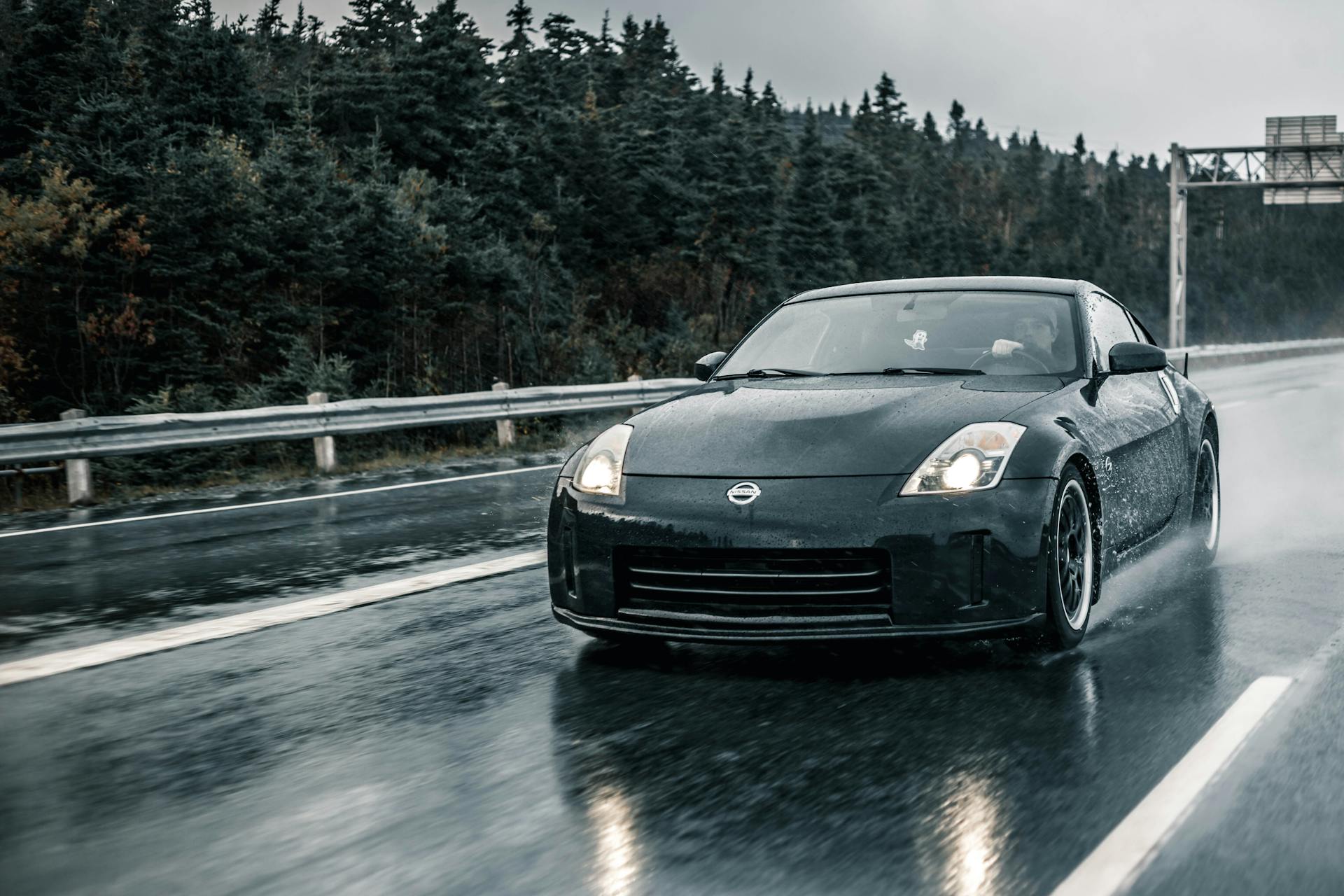
Weather conditions such as rain, fog, and strong winds are also discussed. Learners are taught how to reduce speed, increase following distance, and avoid sudden steering movements during bad weather.
Handling Emergencies on the Highway
Highway emergencies can be dangerous because vehicles are moving at high speeds. A highway driving lesson course teaches learners what to do in emergency situations such as tire blowouts, engine failure, or sudden obstacles.
Drivers learn how to stay calm, maintain steering control, and safely move toward the emergency lane or hard shoulder. They also learn how to use hazard lights, warning triangles, and emergency phone services if needed.
The course also explains safe behavior during breakdowns, such as staying out of traffic lanes and keeping passengers safe. Knowing how to handle emergencies increases confidence and reduces panic.
Fuel Efficiency and Long-Distance Driving Skills
Highway driving lessons often include training on fuel-efficient driving techniques. Maintaining steady speed, avoiding unnecessary acceleration, and using the correct gear can significantly reduce fuel consumption during long trips.
Learners also receive guidance on planning long-distance journeys. This includes taking breaks to avoid fatigue, checking vehicle condition before travel, and staying hydrated and alert. Highway driving requires strong concentration, so managing tiredness is essential for safety.
Drivers also learn how to adjusttheir driving style when carrying passengers or heavy luggage, as extra weight can affect braking distance and vehicle performance.
Benefits of Highway Driving Lessons
Highway driving lessons offer major benefits for both safety and confidence. Drivers become comfortable with high-speed driving, lane discipline, and proper merging techniques. These skills reduce accident risk and make long-distance travel smoother.
The course also helps learners overcome the fear of highways, which is common among new drivers. With guided practice, learners develop confidence in overtaking, handling exits, and driving alongside heavy vehicles.
Another benefit is improved road awareness. Highway driving requires advanced observation skills, and learners who complete this course often become more responsible and alert drivers in all driving environments.
Conclusion and Real-Life Importance of Highway Driving Training
Highway driving lessons are an essential part of becoming a skilled and confident driver. High-speed roads require strong control, quick decision-making, and safe driving discipline. Through structured training, learners develop the ability to merge safely, maintain proper lane position, and handle overtaking and exits without stress.
A highway driving lesson course prepares drivers for real-life travel, long-distance journeys, and professional driving needs. By learning safe highway techniques, drivers reduce accident risk and gain the confidence to drive smoothly in any road condition. This course is a valuable step for anyone who wants complete driving independence and long-term road safety skills.